
As attorneys, we often hear the same assumption after a serious crash: if the other
driver caused the accident, their insurance will take care of everything. Unfortunately,
that isn’t always true.
In Montana, some drivers carry only the minimum required coverage. Others drive
without insurance altogether. When a serious injury is involved, those policy limits can
disappear quickly, leaving injured people wondering how they’re supposed to pay
medical bills, replace lost income, and move forward.
That is where uninsured and underinsured motorist coverage becomes one of the most
important—and least understood—parts of an auto insurance policy.
A Local Example
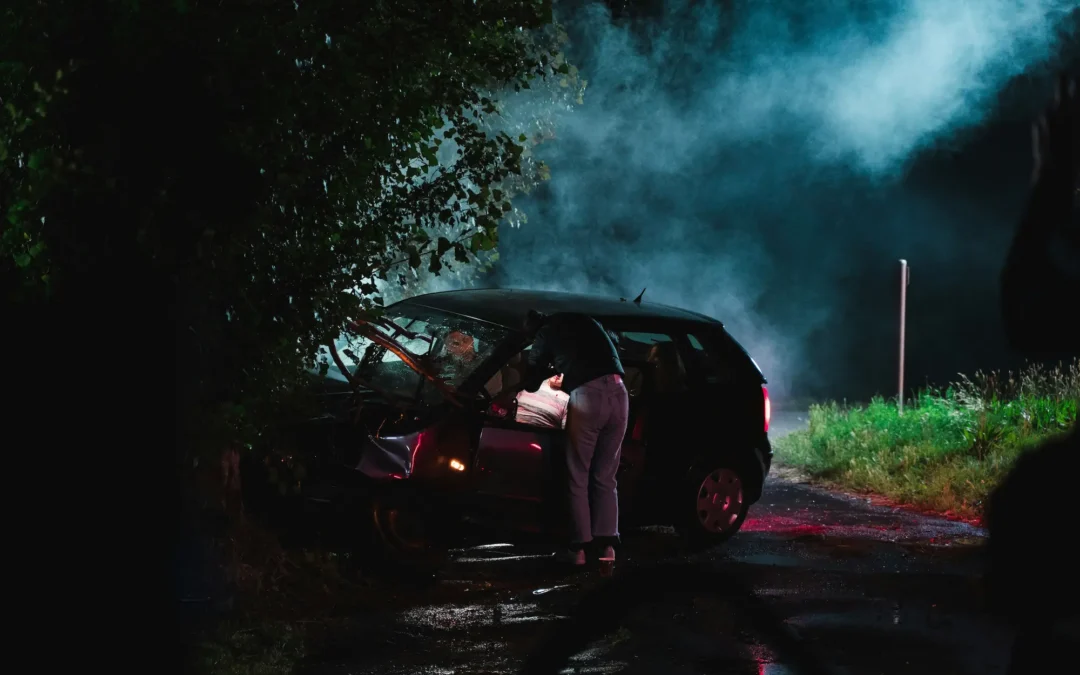
Imagine you’re driving south on Highway 93 between Ronan and Polson when another
vehicle crosses the center line and causes a head-on collision. The investigating officer
determines the other driver was clearly at fault. You suffer significant injuries and face
months of treatment. Then you learn the at-fault driver only carries minimum insurance
limits. Suddenly the issue is no longer who caused the crash. The issue becomes
whether enough insurance exists to cover the damage.
Montana’s Minimum Insurance Requirements
Montana requires drivers to carry liability insurance, but the minimum limits may not go
very far after a serious crash. A hospital stay, surgery, rehabilitation, and lost wages can
quickly exceed available coverage. What seems like a large policy on paper can
disappear surprisingly fast.
What Is Uninsured Motorist Coverage?
Uninsured motorist coverage, often called UM coverage, may apply when the at-fault
driver has no insurance. Instead of pursuing compensation through the other driver’s
policy, you may be able to make a claim under your own policy. Many people are
surprised to learn they may have protections they never expected to use.
What Is Underinsured Motorist Coverage?
Underinsured motorist coverage, or UIM coverage, comes into play when the at-fault
driver has insurance but not enough to fully compensate the injured person. In many
serious injury cases, this coverage can become an important source of recovery.
Why These Claims Can Get Complicated
People assume their own insurance company will simply step in and pay fairly.
Sometimes that happens. Other times, insurers still evaluate the claim aggressively and
may dispute the value of injuries, future treatment needs, or lost earnings. Even though it
is your policy, disagreements can still arise.
Documentation Matters
Medical records, wage information, treatment recommendations, photographs, and
documentation of how injuries affect daily life all become important. The stronger the
documentation, the easier it becomes to demonstrate the true impact of the crash.
Common Misconceptions
One of the biggest misconceptions is that there is nothing that can be done if the at-fault
driver lacks adequate coverage. In reality, additional coverage may exist through policies
already in place. The challenge is identifying those sources and understanding how they
interact.
Why This Matters in Montana
Many Montana residents spend significant time on rural highways where high-speed
collisions can result in substantial injuries. Those are exactly the types of accidents
where insurance limits can become a major issue.
The Bottom Line
Discovering that the driver who caused your accident has little or no insurance can be
frustrating. But it does not automatically mean you are out of options. Uninsured and
underinsured motorist coverage exists for exactly these situations. Understanding how
those protections work is often one of the most important steps an injured person can
take after a serious Montana car accident.