
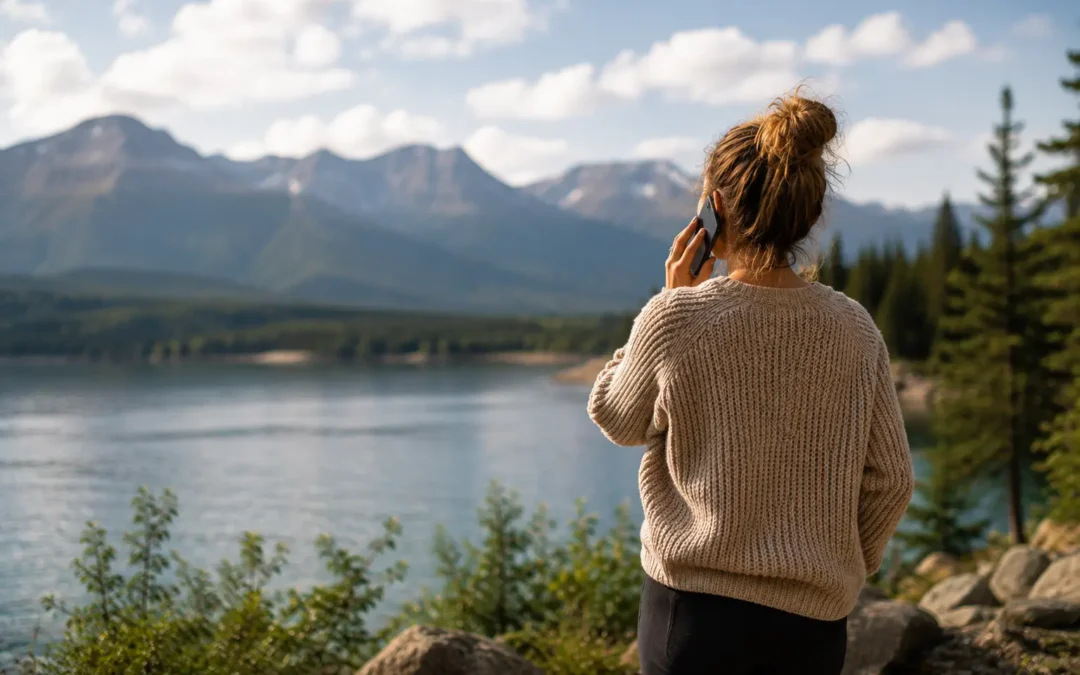
Northwest Montana draws visitors for good reason. Flathead Lake, Glacier National Park, Highway 93, and the communities around Polson, Ronan, and Kalispell bring people here from across the country every summer. Most trips end with photos, memories, and a long drive or flight home. But when somebody is seriously injured while visiting, the practical questions can get complicated very quickly.
If you live in Washington, Idaho, North Dakota, Minnesota, or somewhere much farther away, you may wonder where a claim gets handled, whose insurance applies, and whether you will have to keep returning to Montana. The short answer is that an out-of-state address does not prevent you from pursuing a claim for an injury that happened here. But it does add a few layers that are worth understanding early.
A Local Example
Imagine a family visiting Flathead Lake for a week. They are driving north toward Kalispell when another vehicle crosses the center line and causes a serious collision. One family member is taken to a local hospital, then returns home several days later and continues treatment with doctors in another state.
The accident happened in Montana, the investigating officers and many witnesses are here, the at-fault driver may live here, and the first medical records were created here. But much of the injured person’s recovery is happening hundreds of miles away. That does not make the claim impossible. It simply means the case has to connect evidence and treatment across state lines.
Montana Law May Still Control the Claim
When an accident happens in Montana, Montana law can play a central role even when the injured person lives somewhere else. That can affect questions about fault, available damages, insurance obligations, and the time available to bring a legal claim.
The important point is not to assume the rules from your home state automatically follow you on vacation. Injury laws vary from state to state. A visitor hurt near Polson, Ronan, Kalispell, or elsewhere in Montana should have the circumstances evaluated under the law that applies to the accident itself.
Medical Care Across State Lines Can Create Gaps
One of the biggest practical problems for visitors is continuity of care. You may receive emergency treatment in Montana, fly or drive home, and then see your regular doctor, an orthopedic specialist, a physical therapist, or another provider in your home state.
That creates a medical record spread across different hospitals and offices. Insurance companies may focus on gaps between appointments or argue that later treatment is unrelated to the original accident. Keeping discharge instructions, imaging reports, bills, prescriptions, and follow-up appointments organized can make a significant difference.
If you are still hurting after you get home, do not assume that leaving Montana means the injury claim is over. The medical story simply continues in another place.
Evidence Is Easier to Preserve While You Are Still Here
Visitors often want to get home as quickly as possible after an accident. That is understandable. But some evidence is much easier to preserve before you leave.
Photographs of the scene, vehicle damage, unsafe property conditions, weather, road markings, or visible injuries may be difficult to recreate later. Witness names and contact information matter too. In a traffic collision, obtain the investigating agency information and report number if possible. If the injury happened at a hotel, rental property, marina, restaurant, store, or other business, make sure the incident was reported and documented.
Once you are several states away, collecting those details can become much harder.
What If the Accident Involves a Rental Car?
Rental vehicles can add another layer of insurance questions. There may be coverage through the rental company, the driver’s personal auto policy, a credit card benefit, or another source. The answer depends on the policies and the circumstances.
The same is true when an accident involves an uninsured or underinsured driver. Before assuming there is not enough coverage, it is worth identifying every policy that may apply.
Do You Have to Return to Montana for a Claim?
Not necessarily. Many parts of an injury claim can be handled by phone, email, electronic records, and remote communication. Whether a person eventually needs to return depends on how the case develops.
That is especially important for visitors who live a long distance away. A Montana attorney can investigate locally, communicate with insurers, obtain records, and coordinate with an injured person who is recovering back home.
Common Questions
Can I make a Montana injury claim if I live in another state? Yes. Living elsewhere does not by itself prevent you from pursuing a claim for an accident that occurred in Montana.
What if I did not realize how badly I was hurt until I got home? Some injuries become more apparent over time. Continue appropriate medical care and make sure providers know when and how the injury began.
Which state’s law applies? That depends on the facts, but an accident occurring in Montana can make Montana law highly important. Do not rely on assumptions based on the law in your home state.
Should I talk to the insurance company before leaving Montana? You can report the accident, but be cautious about giving broad recorded statements or agreeing to a quick settlement before the extent of your injuries is clear.
The Bottom Line
Getting hurt on vacation is disruptive enough without trying to sort out a legal claim from another state. If the accident happened around Flathead Lake, Polson, Ronan, Kalispell, or the Glacier gateway, the claim may still be rooted here even after you have gone home.
The sooner the evidence, insurance coverage, and applicable Montana law are reviewed, the easier it is to keep distance from becoming another obstacle. Duckworth Law helps injured people understand what comes next and can evaluate claims arising from accidents in Northwest Montana.