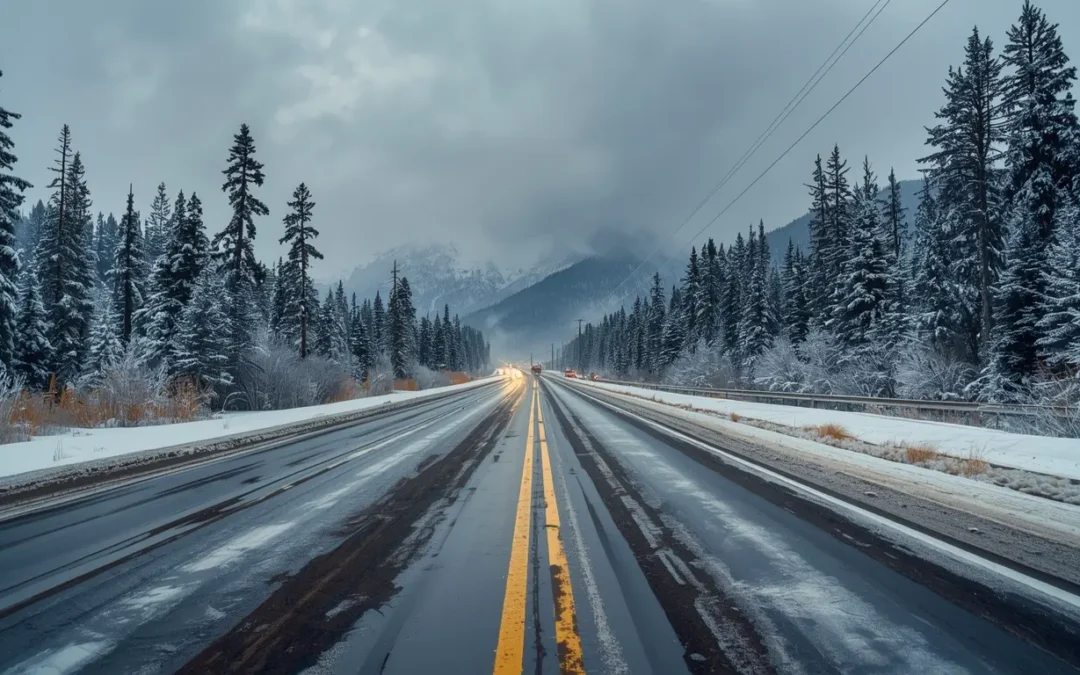
Winter driving in Northwest Montana is not just inconvenient—it can be dangerous. Highways connecting Polson, Ronan, and Kalispell are frequently impacted by snow, ice, freezing fog, and sudden weather changes. Even careful drivers can find themselves involved in serious crashes during the winter months. When these accidents happen, one of the most common questions is: who is at fault on icy roads?
Montana law does not excuse unsafe driving simply because road conditions are poor. In fact, winter conditions often raise the standard of care expected of drivers. Understanding how fault is determined can make a significant difference if you are injured in a winter driving accident.
Montana follows a “reasonable driver” standard. This means drivers are expected to adjust their behavior based on current conditions. On icy or snow-packed roads, reasonable driving may require reducing speed well below the posted limit, increasing following distance, avoiding sudden braking, and using proper winter equipment such as snow tires or chains when appropriate. A driver who fails to adapt to winter conditions may still be found negligent even if the road itself contributed to the accident.
Speed is one of the most common factors in winter crashes. Driving too fast for conditions does not necessarily mean exceeding the posted speed limit. If a driver is traveling at the speed limit but loses control on ice, Montana courts may still find that driver at fault for failing to slow down appropriately. Law enforcement accident reports often note “speed too fast for conditions” as a contributing factor in winter collisions.
Rear-end accidents are also common during winter months. While rear-end collisions are often presumed to be the fault of the trailing driver, icy roads can complicate liability. However, the general rule still applies: drivers must leave enough space to stop safely, even on ice. Sliding into another vehicle is not automatically excused by winter conditions.
Commercial vehicles and out-of-area drivers add additional complexity. Tractor-trailers, delivery vehicles, and tourists unfamiliar with Montana winters may be held to the same—or higher—standards. Commercial drivers are professionally trained and may be subject to federal safety regulations, which can strengthen an injury claim if those rules were not followed.
Montana also follows a modified comparative negligence rule. An injured person can recover damages as long as they are less than 51% at fault for the accident. However, compensation is reduced by the injured person’s percentage of fault. Insurance companies frequently argue that winter conditions mean “everyone shares blame,” which can reduce payouts unless challenged with evidence.
Proving fault in winter driving accidents often requires more than a police report. Skid marks (or lack thereof), vehicle damage, weather data, dashcam footage, witness statements, and expert accident reconstruction may all play a role. Timing is critical, as winter conditions can erase physical evidence quickly.
If you are injured in a winter driving accident near Polson, Ronan, or Kalispell, it is important to speak with an attorney who understands Montana law and local driving conditions. Duckworth Law works to identify all responsible parties and push back against insurance companies that attempt to minimize winter injury claims.
Winter roads may be dangerous, but your right to compensation should not freeze along with them.
Who Is at Fault in Winter Driving Accidents on Icy Montana Highways?