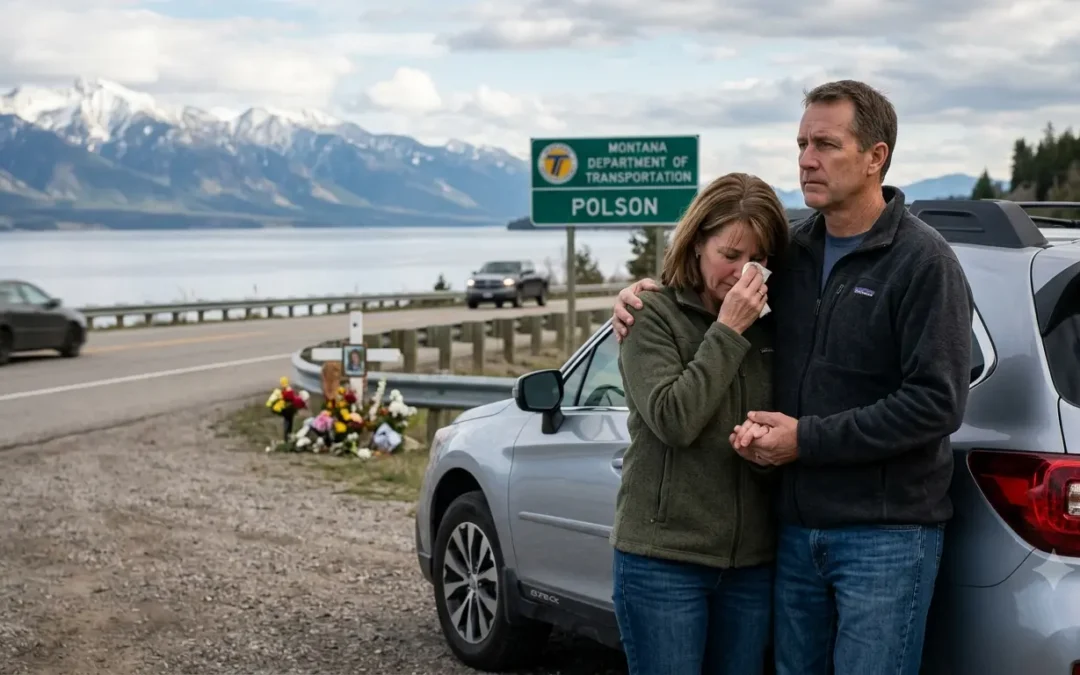
No family ever expects to receive the phone call that changes everything.
Whether it’s a collision on Highway 93 between Polson and Ronan, a trucking accident near Kalispell, or another tragic incident anywhere in northwest Montana, the sudden loss of a loved one leaves families facing unimaginable grief. In the days and weeks that follow, there are funeral arrangements to make, insurance companies reaching out, bills beginning to arrive, and countless questions that no one ever expects to ask.
One of those questions is often, “What happens now?”
If someone else’s negligence caused your loved one’s death, Montana law may allow surviving family members to pursue a wrongful death claim. While no legal action can replace the person you’ve lost, understanding your rights may help provide financial stability and hold the responsible party accountable.
What Is a Wrongful Death Claim?
A wrongful death claim is a civil lawsuit that may be brought when a person’s death is caused by another individual’s or company’s negligent, reckless, or wrongful actions.
These claims are separate from any criminal charges that may arise after an accident. For example, if a drunk driver causes a fatal crash, the State of Montana may pursue criminal charges. At the same time, surviving family members may have the right to pursue a wrongful death claim seeking compensation for the losses they have suffered.
Wrongful death claims can arise from many different situations, including:
- Motor vehicle accidents
- Commercial trucking collisions
- Motorcycle crashes
- Pedestrian accidents
- Defective products
- Dangerous property conditions
- Workplace accidents involving third parties
Every case is unique, which is why it’s important to understand the specific facts surrounding an accident before assuming what options may be available.
A Montana Example
Imagine a husband and wife from Polson spending the afternoon in Kalispell. On the drive home, another driver attempts to pass on a two-lane stretch of Highway 93 and causes a head-on collision.
The surviving spouse suddenly finds themselves dealing with funeral expenses, household bills, insurance adjusters, and the loss of their family’s primary income—all while trying to cope with overwhelming grief.
In situations like these, families often aren’t looking for revenge. They’re looking for answers, accountability, and a way to move forward.
Who May Bring a Wrongful Death Claim?
Montana law determines who has the legal right to bring a wrongful death claim, and the answer depends on the family’s individual circumstances.
Questions often arise such as:
- Can a surviving spouse file a claim?
- What if the person who died was unmarried?
- What rights do children have?
- What happens if multiple family members are affected?
Because every family is different, it’s important to understand how Montana law applies to your particular situation before making assumptions about who may pursue a claim.
What Types of Losses May Be Considered?
Many people assume a wrongful death claim only involves funeral expenses.
In reality, the financial impact of losing a loved one is often much greater.
Depending on the circumstances, a claim may consider losses such as:
- Medical expenses related to the final injury
- Funeral and burial costs
- Lost income and financial support
- Loss of future earning capacity
- Loss of companionship, guidance, and support
Every family’s situation is different, and the full impact of a tragic loss extends far beyond dollars and cents.
Why Documentation Matters
The strongest wrongful death claims are often built on careful documentation.
Police reports, photographs, medical records, witness statements, accident reconstruction, employment records, and expert opinions may all play an important role in understanding exactly what happened and demonstrating the losses suffered by surviving family members.
As time passes, evidence can disappear and memories can fade. Preserving important information early often makes a meaningful difference.
Insurance Companies May Have Different Priorities
After a fatal accident, insurance companies often begin investigating immediately.
While many adjusters are professional and courteous, it’s important to remember that their role is to evaluate claims on behalf of the insurance company.
Families should be cautious about providing recorded statements or accepting early settlement offers before fully understanding the long-term financial impact of their loss.
Once a claim is settled, it may not be possible to seek additional compensation later.
Compassion Matters
Legal issues are only one part of what families experience after a fatal accident.
Grief affects every family differently. Some people want answers immediately. Others simply need time before making important decisions.
There is no “right” timeline for healing.
Understanding your legal rights simply gives your family the information needed to make thoughtful decisions when you’re ready.
Common Questions
How long do families have to file a wrongful death claim in Montana?
Montana law establishes deadlines for filing wrongful death claims. Because those deadlines vary depending on the circumstances, it’s important not to wait too long before seeking legal guidance.
Does every fatal accident result in a wrongful death claim?
No. A wrongful death claim generally depends on whether another party’s negligence or wrongful conduct contributed to the death.
Can there be both a criminal case and a wrongful death claim?
Yes. Criminal proceedings and civil wrongful death claims are separate legal matters with different purposes.
Should I speak with the insurance company before understanding my rights?
Every situation is different, but families often benefit from understanding their legal options before making important decisions or accepting a settlement.
The Bottom Line
Losing a loved one unexpectedly is one of life’s most difficult experiences. While no legal claim can undo that loss, Montana law may provide a way for families to seek accountability and financial recovery when another person’s negligence caused the tragedy.
If your family has questions after a fatal accident in Polson, Ronan, Kalispell, Lake County, or anywhere in northwest Montana, understanding your rights is often the first step toward making informed decisions about the future.