
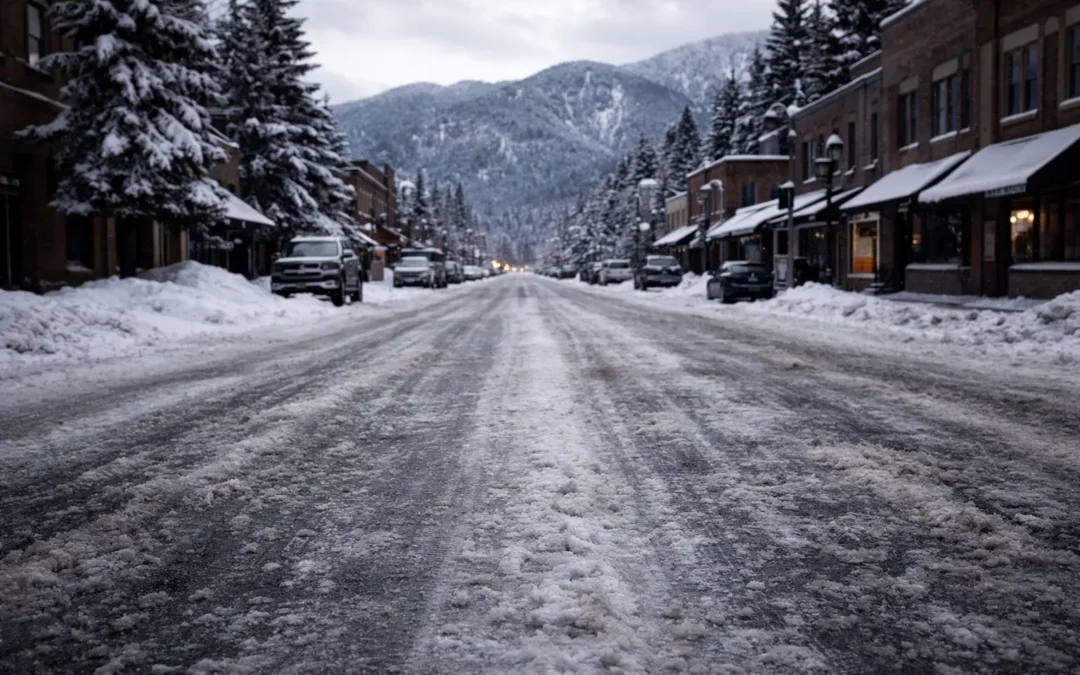
If you’ve lived through even one winter in Northwest Montana, you already know the routine.
You step outside, glance down at the sidewalk, and start doing that careful little shuffle we all do when things look icy. Around Polson, Ronan, and Kalispell, most of us are used to navigating snow, slush, and the occasional surprise patch of ice.
But every winter—and especially during late winter and early spring—people still get hurt.
Sometimes it happens outside a grocery store. Sometimes it’s a restaurant parking lot. Sometimes it’s a sidewalk leading into an office building that turned into a sheet of ice overnight.
And when that happens, the question people ask is pretty simple:
Was that just bad luck… or should someone have taken care of that?
Under Montana law, the answer usually comes down to whether the property owner took reasonable steps to keep the area safe.
Winter Happens in Montana — But Property Owners Still Have Responsibilities
Let’s be clear about one thing: Montana law doesn’t expect property owners to control the weather.
Snow falls. Ice forms. Temperatures drop. That’s just life here.
What the law does expect is reasonable care.
If a business invites customers onto its property—whether it’s a store, restaurant, clinic, or office building—it has a responsibility to keep areas where people walk reasonably safe. That includes sidewalks, entryways, and parking lots.
During winter months, that usually means paying attention when snow and ice start creating hazards and doing something about it.
That might involve shoveling sidewalks, clearing entrances, spreading sand or ice melt, or checking areas where ice tends to build up.
None of that is unusual. It’s simply part of maintaining property in Montana.
But when those steps don’t happen—and someone gets hurt—that’s when legal responsibility can come into play.
Where Ice Problems Usually Start
Most slip-and-fall injuries don’t happen because of a fresh snowfall. They happen because of what occurs afterward.
Montana’s freeze–thaw cycles can turn harmless snow into dangerous ice in a matter of hours.
Water melts during the day, temperatures drop overnight, and suddenly the walkway outside a business becomes slick enough to send someone to the ground.
Certain areas tend to cause problems again and again: entrances where snow gets tracked in and refreezes, parking lots where melting snow runs across walkways, or sidewalks where plowed snow piles melt and freeze into solid ice.
Downspouts can also create trouble when water drains directly onto sidewalks and freezes.
Property owners who stay on top of these issues usually address them quickly. But when icy conditions sit untouched for long periods, the risk of injury rises quickly.
Businesses Have a Duty to Pay Attention
Commercial property owners typically have greater responsibilities than private homeowners because they invite the public onto their property.
Customers entering a store or restaurant don’t have much choice about where they walk. They have to use the sidewalks, entrances, and parking areas that the business provides.
Because of that, businesses are expected to monitor conditions and respond when hazards develop.
That might mean checking walkways throughout the day when temperatures fluctuate or applying sand when ice begins forming.
The law doesn’t demand perfection, but it does expect property owners to act reasonably when dangerous conditions appear.
If ice remains in a location long enough that a reasonable property owner should have discovered and corrected it, liability may follow.
Why Timing Matters in Slip and Fall Cases
One of the biggest questions in these cases is how long the hazard existed.
If snow stopped falling five minutes ago, it may not be reasonable to expect every sidewalk to be completely clear.
But if ice has been present in the same area for hours—or even days—that can tell a very different story.
Evidence in these cases often focuses on things like weather records, maintenance schedules, security footage, and witness statements.
Sometimes the issue isn’t whether the ice existed. It’s whether the property owner ignored the problem long enough that someone was eventually going to get hurt.
Insurance Companies Often Push Back
Insurance companies rarely accept slip-and-fall claims without a fight.
One of the most common arguments is that icy conditions were “open and obvious,” meaning the injured person should have simply avoided the hazard.
But that argument doesn’t automatically end the conversation.
Even when icy conditions are visible, property owners still have a responsibility to address dangerous situations—especially in areas where customers must walk to enter a building.
Each case depends on the specific facts surrounding the fall and whether the property owner acted reasonably under the circumstances.
What To Do After a Slip and Fall
If you’re injured in a fall on an icy walkway, a few steps can help protect both your health and your rights.
First, seek medical attention if needed. Falls can cause serious injuries, particularly head injuries, back injuries, and broken bones.
Second, report the incident to the business owner or property manager so there is a record of what happened.
If you can safely do so, take photos of the area where the fall occurred. Ice conditions can change quickly once maintenance crews arrive.
Those small details can end up playing an important role later when determining how the accident happened.
The Bottom Line
Winter conditions are a fact of life in Montana, and most people accept that sidewalks and parking lots can occasionally be slippery.
But property owners who invite the public onto their property still have a responsibility to deal with dangerous conditions when they appear.
When icy walkways are ignored and someone gets hurt, Montana law may allow the injured person to pursue compensation for their injuries.
And sometimes preventing those injuries in the first place is as simple as a shovel, a bag of sand, and paying attention to the sidewalk.